What to Do When Your Basement Floods in Toronto (and Does Insurance Cover It?)
By Daniel Eisenberg, on 2026-09-22
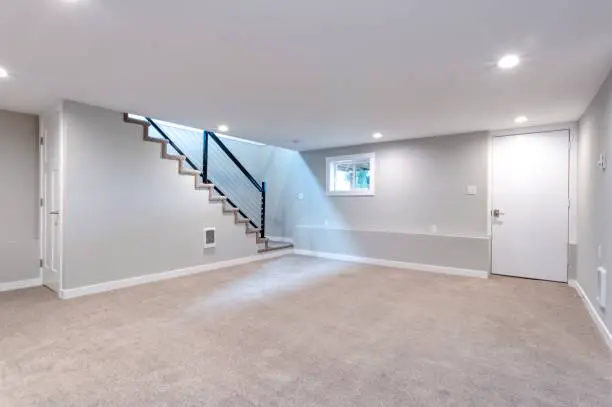
If water is coming in right now, shut off the power to the flooded area and stop the water at the source before anything else. On insurance: a sudden event like a burst pipe or a sewer backup is usually covered, while water seeping in through foundation walls or the floor almost never is.
Step 1: Kill the power before you step in
Standing water and a live outlet are a worse combination than the flood itself. Flip the breakers for the basement from the panel. If the panel is in the flooded area or water is anywhere near it, stay out and call Toronto Hydro or an electrician. Nobody steps in that water until the power is off.
Step 2: Stop the water at the source
- Burst pipe or a water heater that let go: close the main shutoff valve, usually on the front wall of the basement where the service comes in.
- Sewer backup: stop running every tap, no laundry, no dishwasher, no flushing. Anything you send down a drain comes back up the floor drain.
- Seepage during rain: check the sump pump. A tripped breaker or a stuck float is a common culprit, and the fix is quick once you find it.
Step 3: Photograph everything before you clean
Your insurer pays on evidence. Shoot video and photos of the standing water, the water line on the walls, and every damaged item before you move or toss anything. Keep receipts for the wet vac, fans, dehumidifier, and a hotel if you need one. Cleaning first and documenting later is how claims get cut down.
Step 4: Call your insurer and ask four questions
- Is this specific event covered?
- What is my deductible?
- Do I carry sewer backup and overland water endorsements?
- Am I required to use your preferred restoration vendor?
On that last one: you are allowed to hire your own cleanup and repair crew. Their vendor speeds up the paperwork. Your own contractor answers to you instead of the insurance file. Get the claim number by email so it is in writing.
Step 5: Pump out and dry fast
Get the water out with a pump or wet vac, pull the baseboards, and cut wet drywall about a foot above the water line. Wet insulation behind that drywall has to come out, it holds water like a sponge. Run fans and a dehumidifier for several days. Mold can start within 24 to 48 hours, and once it is in the studs the job gets bigger. Carpet dries or it does not, but the pad under it is rarely worth saving.
So does insurance cover a flooded basement?
- Usually covered: a pipe bursts, a hot water tank fails, a supply hose lets go. Sudden and accidental is the test.
- Covered only if you bought the rider: sewer backup, and overland water, meaning rain or storm water coming in from the surface. Many Toronto policies carry one or both. Check yours now, not during the storm.
- Almost never covered: water seeping through foundation walls or up through the floor. Insurers call it seepage or gradual damage and treat it as a maintenance problem. The fix is waterproofing, not a claim.
One more thing: if the damage sits just under your deductible, a claim can raise your rate without paying you much. Small floods are often cheaper to absorb and fix yourself.
When the water is gone, deal with the cause before winter
It is fall, which means you are one storm away from frozen eavestroughs and a frozen downspout dumping melt water next spring. Eavestrough cleaning and repairs run $2000 to $4800 in Toronto, and downspouts that discharge right at the foundation undo a lot of good waterproofing. Inside the house, interior waterproofing with a weeping tile and sump runs $4000 to $12000. Exterior excavation to seal the wall from the outside sits at the top of that same range and tears up the yard. That is the tradeoff: interior costs less and moves water out fast once it arrives, exterior stops water before it reaches the wall but means digging, and if a patio or interlock sits in the dig path, budget $6000 to $25000 to redo that area. If sewer backups are your problem, a backwater valve is worth a look, and Toronto runs a subsidy program for those. Check the city site for current amounts.
Want a number for the fix before the next storm hits? Get a free ballpark from us at lfbuilders.ca/costs/calculator.