Basement Waterproofing: what it costs in the GTA (2026)
Basement Waterproofing in the GTA typically runs $4,000–$12,000 (typical interior waterproofing project); repairs $800–$2,500. These are planning estimates - a written quote confirms the scope, materials and site conditions.
| Scope | Typical 2026 range |
|---|---|
| Repairs | $800–$2,500 |
| typical interior waterproofing project | $4,000–$12,000 |
Exterior excavation waterproofing costs more; interior systems work in any season.
Our own work
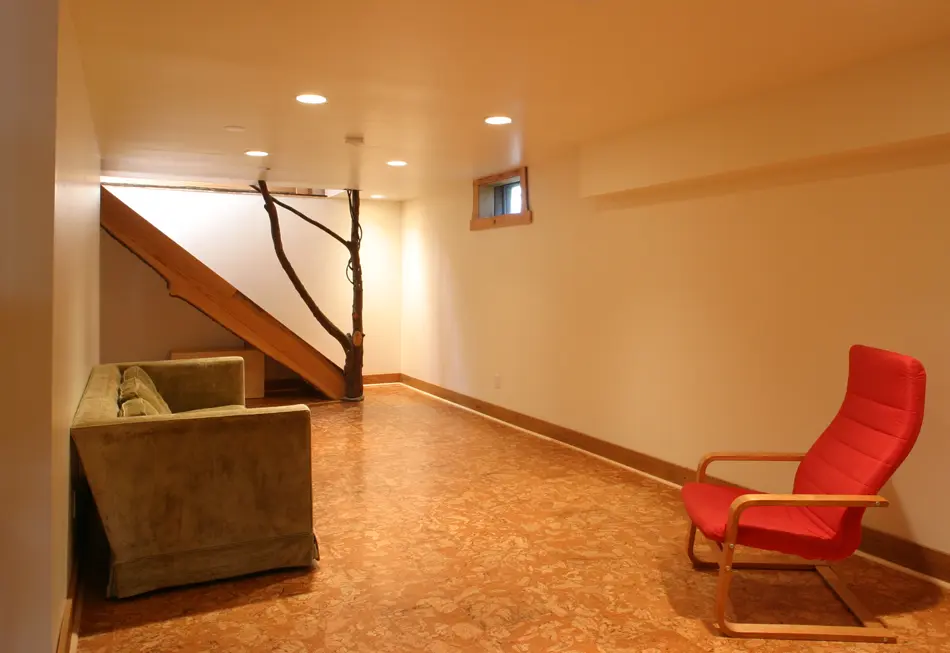
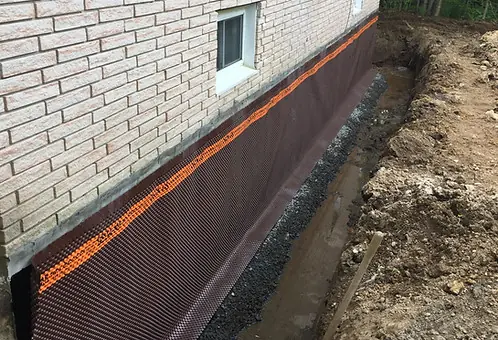
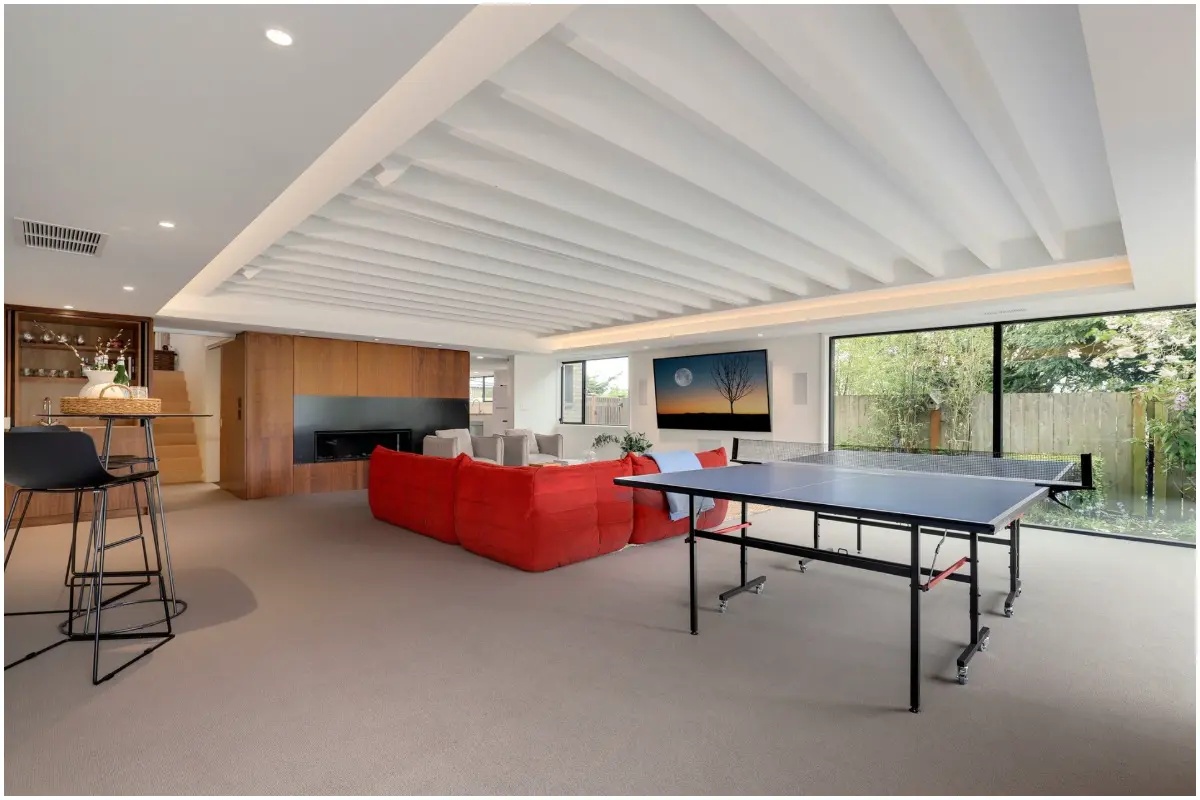
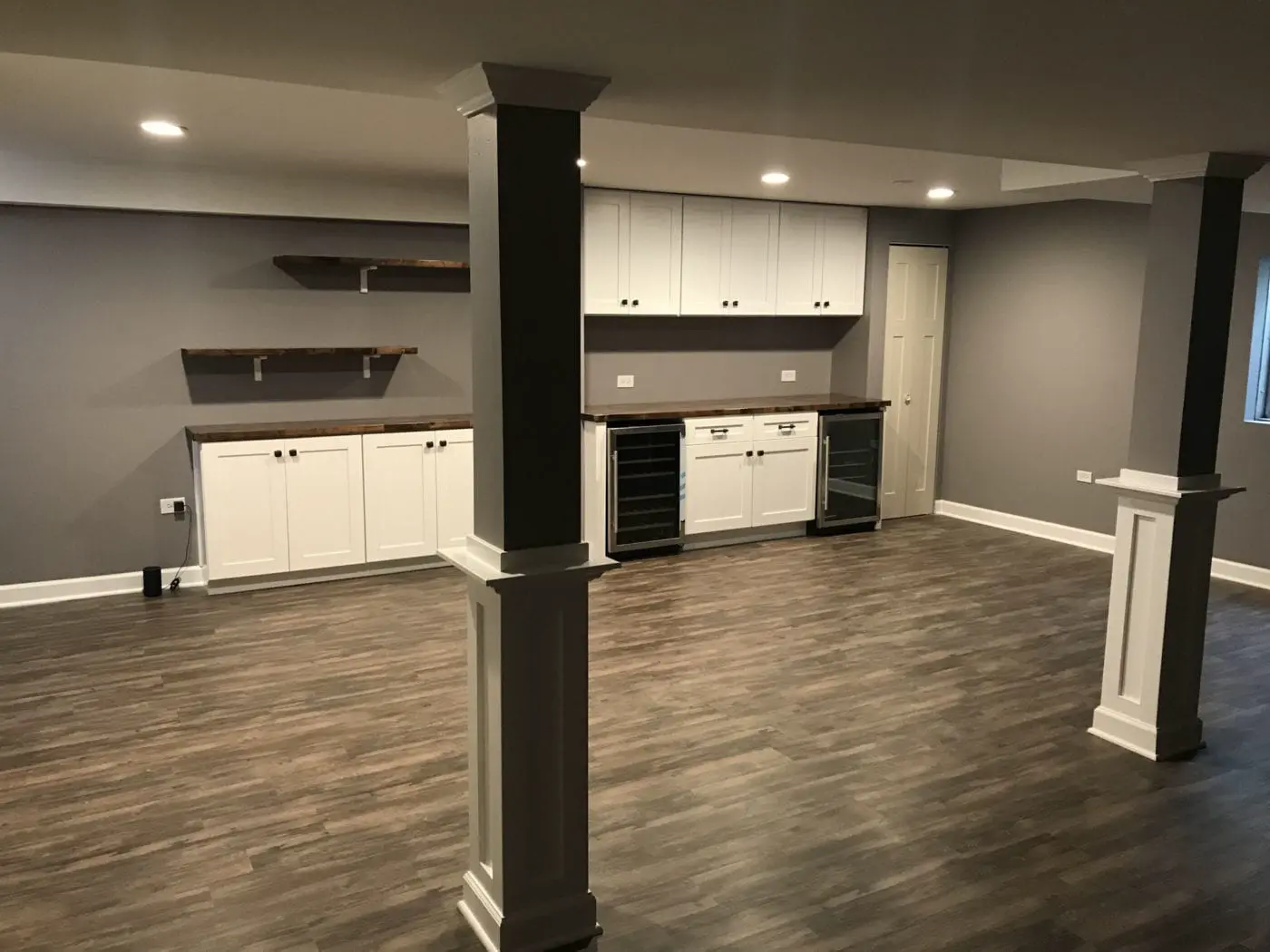
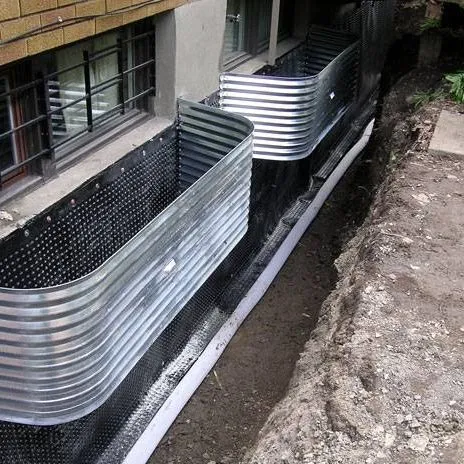
Photographs from jobs this crew actually did - not stock.

Get my free basement quote⚡ Try the calculator1-800-675-1055

“The plastic-wrap test costs nothing and settles the humidity-or-leak argument in a day. Do it before you spend a dollar.”
- Tighty Whitey Samm Simon · renovation.reviewsWhat does basement waterproofing cost in Toronto?
Interior systems typically run $70–$120 per linear foot - $4,000–$12,000 for most homes in 2026. Exterior excavation is more, but not always necessary.
How do I tell seepage from condensation?
Tape a 12-inch square of plastic wrap to the wall for 24 hours. Moisture behind it means seepage through the wall; moisture on top means indoor humidity.
Does a wet basement always need excavation?
No. Interior weeping-tile systems with a sump handle most cases at lower cost, in any weather.
Is winter a bad time to waterproof?
Interior work is a great winter project - crews are available and it beats the spring melt.
How much does foundation waterproofing cost?
Interior waterproofing typically runs $75–$150 per linear foot, so a full interior perimeter system with a sump pump often lands between $3,000 and $8,000, while exterior excavation to the footing usually runs $150–$300+ per linear foot. Those prices cover the usual culprits - hydrostatic pressure, cracked or porous walls, and missing or clogged footing drains - and we'll pinpoint whether water is coming through the walls, up through the floor, or in at the wall-floor joint before recommending a fix. Either approach is backed by a written warranty on materials and labor, and we measure on site to give you a fixed quote based on what your foundation actually needs.
How much does basement leak repair cost in Toronto?
A straightforward crack injection from the inside of a poured-concrete wall usually runs $800 to $2,500 - no digging involved, since we access the crack from inside your basement. If the crack can't be sealed from inside or you want it fixed from the outside, that means excavating down to the footing, which costs more. Cinder block foundations, common in older Toronto neighbourhoods like the Junction, usually can't take a simple injection, so those jobs cost more to fix properly. If it turns out to be a full waterproofing job rather than a spot repair, we'll quote that separately after we see where the water's actually coming in.
How much does it cost to seal a basement in Toronto?
We use polyurethane or epoxy for crack injection, with costs ranging from $400 to $900 per crack, depending on the location and severity. Additional sealing measures may include addressing tie-rod holes, window wells, and floor slab gaps. We'll assess your basement and provide a firm written quote for the sealing work, ensuring it's the right solution for your issue. If sealing isn't sufficient, we'll advise on next steps before proceeding.
Is there a basement waterproofing cost calculator I can use before getting quotes?
Yes - try the waterproofing estimator on Angi (formerly HomeAdvisor) or Fixr's basement waterproofing cost guide; both walk you through foundation type, leak location, and repair method instead of just square footage. Run two of them and compare, because any single calculator misses big cost drivers like excavation access and where the drainage ties into your home. If you're in an older Toronto house with stone or block foundations, expect the online number to run low, so treat it as a starting budget range, not a quote. Then get one or two on-site quotes to confirm before committing.
How much does basement waterproofing cost, and is there a calculator I can use?
There's no waterproofing calculator that's actually worth using, because the cost depends entirely on which type of fix you need: a simple interior crack injection, an interior drainage system, or exterior excavation with membrane - three jobs with completely different price tags. Any online tool that spits out a single number is just guessing which of those applies to your house. A rough way to self-estimate is to trace where the water's entering (wall crack, floor/wall joint, window well) and match it to one of those three fix categories, since that's what drives the price far more than square footage. A firm number really does require someone to look at the wall in person.
How much does it cost to waterproof a basement?
In the Toronto area, a single interior crack injection usually runs a few hundred dollars, an interior weeping-tile system with a sump pump lands between $3,000 and $8,000, and full exterior excavation down to the footing runs $8,000 to $20,000 or more depending on foundation depth, access, and how much wall gets dug up. Older brick homes with tight side yards or mature landscaping tend to push exterior jobs toward the top of that range, since we're hand-digging around utilities and garden beds. We inspect first and give you a fixed quote, so the number you sign is the number you pay.
How long can a basement stay wet before it causes serious damage?
If your basement is wet, it's essential to act quickly to minimize damage. Start by removing standing water and ensuring good ventilation to slow down mold growth. Ideally, address the issue within 24 to 48 hours to prevent damage to drywall, framing, and carpet. If water persists, consider consulting a professional to assess and address the source of the water and recommend a solution, such as an exterior or interior waterproofing system.
What should I do if my basement floods before starting a renovation?
Deal with the water source first - whether it's a failed sump pump, a foundation crack, or clogged weeping tile - or the problem will just come back. Everything needs to dry out completely before we rebuild, because framing and drywall that stay damp will grow mould behind the finished walls. If mould is present, we may need to bring in a remediation specialist to ensure the space is safe and clean before proceeding with the renovation. Once the leak is fixed, the space is dry, and any necessary remediation is done, we can strip damaged materials and refinish the basement properly.
What are the common causes of basement flooding in Toronto and how can I prevent it during a renovation?
Basement flooding in Toronto is commonly caused by issues like clogged downspouts, improper grading around the foundation, and faulty window wells. To prevent flooding during a renovation, we focus on ensuring that downspouts are properly extended away from the foundation, that the grade around your home directs water away from the foundation, and that window wells are securely covered and draining correctly. By addressing these specific areas, you can significantly reduce the risk of basement flooding.
What can I do to prevent basement flooding in Toronto?
To prevent basement flooding in Toronto, ensure your home's grading and drainage are functioning properly to direct water away from your foundation, as required by the Ontario Building Code. In Toronto, where heavy rainfall and storm surges can cause flooding, consider installing a sump pump and backup system, and make sure your downspouts and gutters are clear and functioning correctly. Regular inspections and maintenance of these systems can help mitigate flood risk. Consult with a professional to assess your home's specific flood risk, taking into account Toronto's unique weather patterns and infrastructure.
What should I do if my basement is flooding in Toronto?
If your basement is flooding in Toronto, act quickly to minimize damage - turn off the main electrical power and water supply. Contact a professional to assess and repair any damage to your foundation, pipes, or waterproofing system. Additionally, report the flooding to the City of Toronto's 311 service for guidance on next steps and potential resources, such as the Home Flood Protection Program, that may be available to help with repairs and prevention measures.
are basement leaks covered by insurance
Standard homeowner's insurance policies typically don't cover basement leaks or water damage caused by common issues like cracks in foundation walls or floors, poor drainage, or settlement. However, if the leak is due to a sudden and accidental event, like a burst pipe or appliance failure, it might be covered. We can help with repairs, and it's best to review your policy and consult with your insurance provider to determine what's covered.
What are the requirements for creating a legal basement apartment in Toronto?
To create a legal basement apartment in Toronto, you'll need to ensure your unit meets specific requirements, including a separate entrance, at least 1.9 meters of clear ceiling height, and proper ventilation. The apartment must also comply with the Ontario Building Code and Toronto's zoning bylaws, which cover aspects such as fire safety, insulation, and window sizes. You'll need to obtain a permit from the City of Toronto and pass inspections to confirm compliance with these regulations.
We’re toying with turning part of our house into a rentable suite to take a bite out of the mortgage, but the estimates online never seem to include the boring stuff like permits, separate entrances, parking rules, and electrical panel upgrades. If you have ac…
With rents being what they are, I keep wondering if space I already own could help cover the mortgage. A basement with its own entrance or a small unit out back seems like an obvious move, but the rules seem to shift depending on where you live, right down to …
Live from the renovation.reviews community.
Customer-record counts are not completed-project totals and have no recency filter.