Decks & Porches: what it costs in the GTA (2026)
Planning estimates for your budget - a written quote confirms the scope, materials and site conditions.
| Scope | Typical 2026 range |
|---|---|
| Repairs | $1,000–$4,000 |
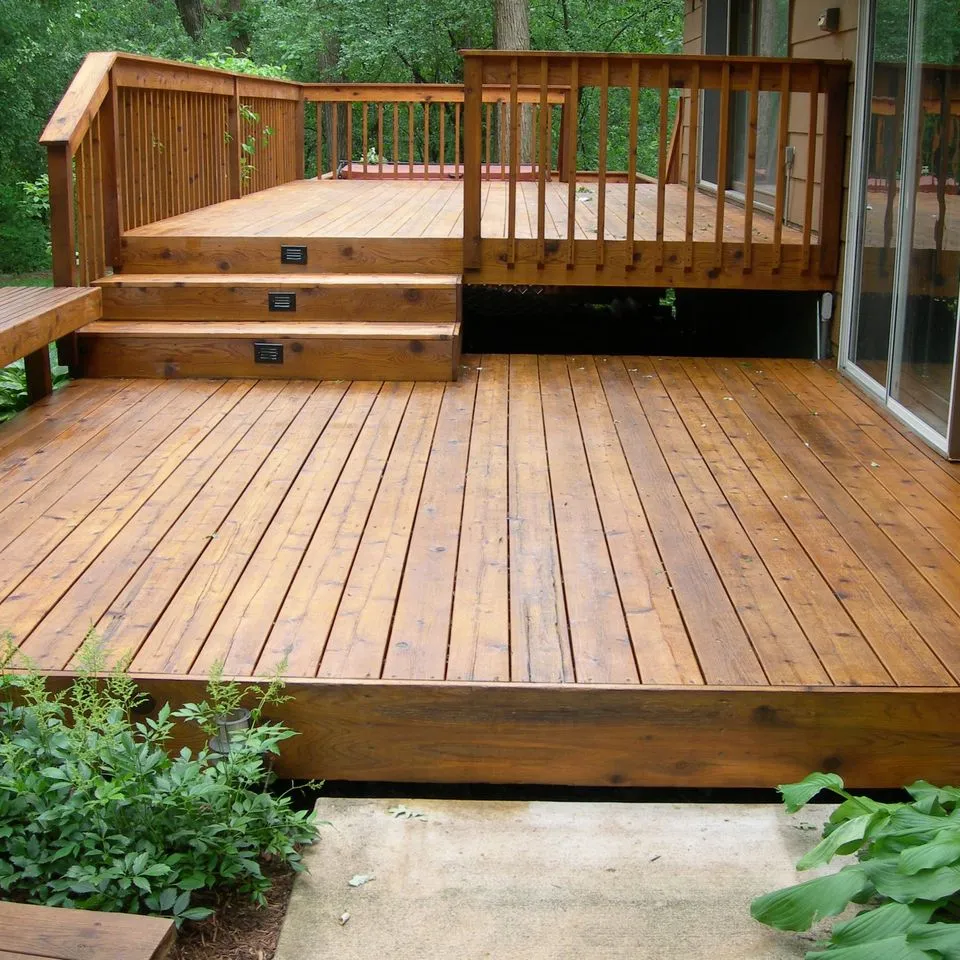
| typical pressure-treated deck build | $8,000–$25,000 |
Composite decking raises material cost but kills maintenance.
Our own work
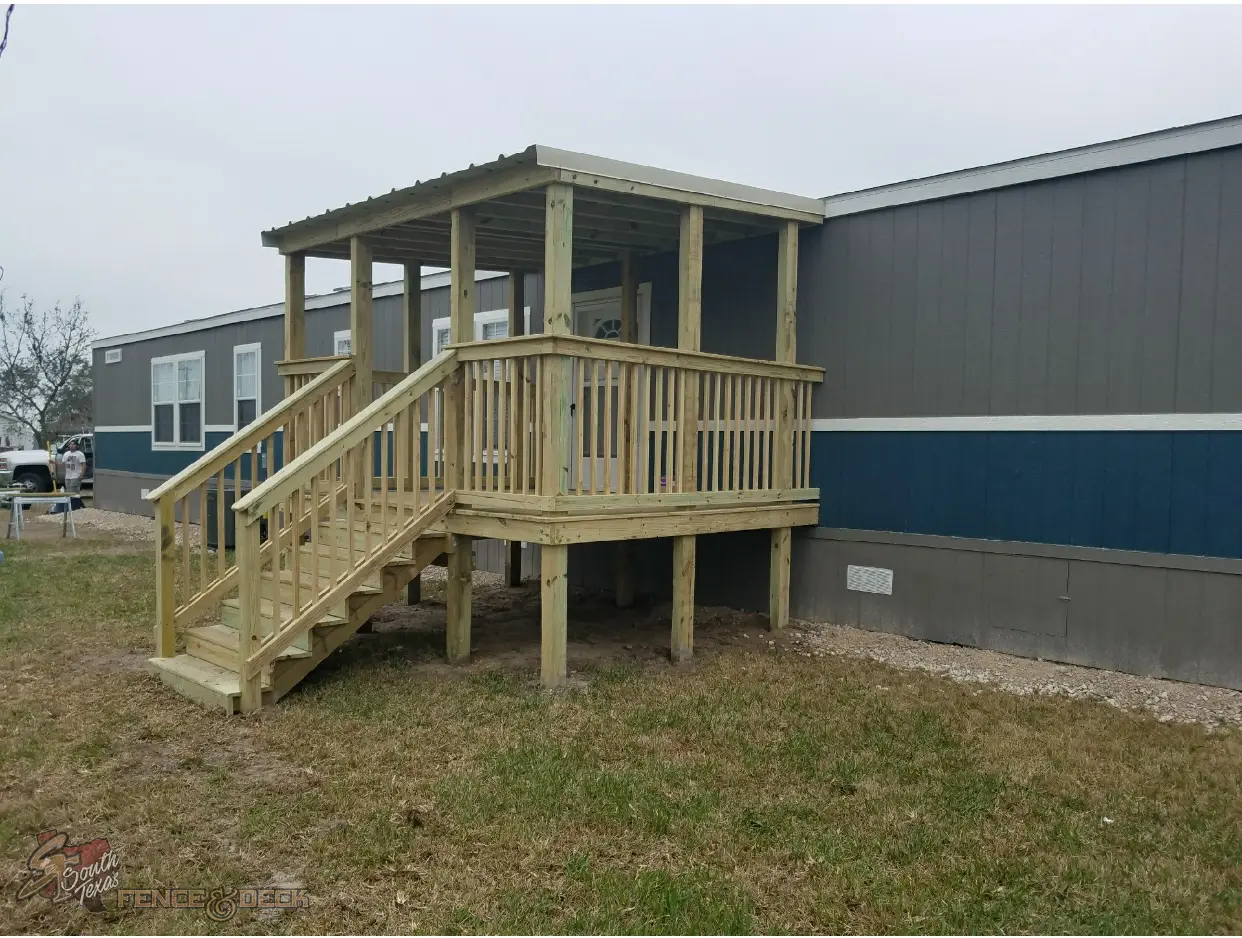
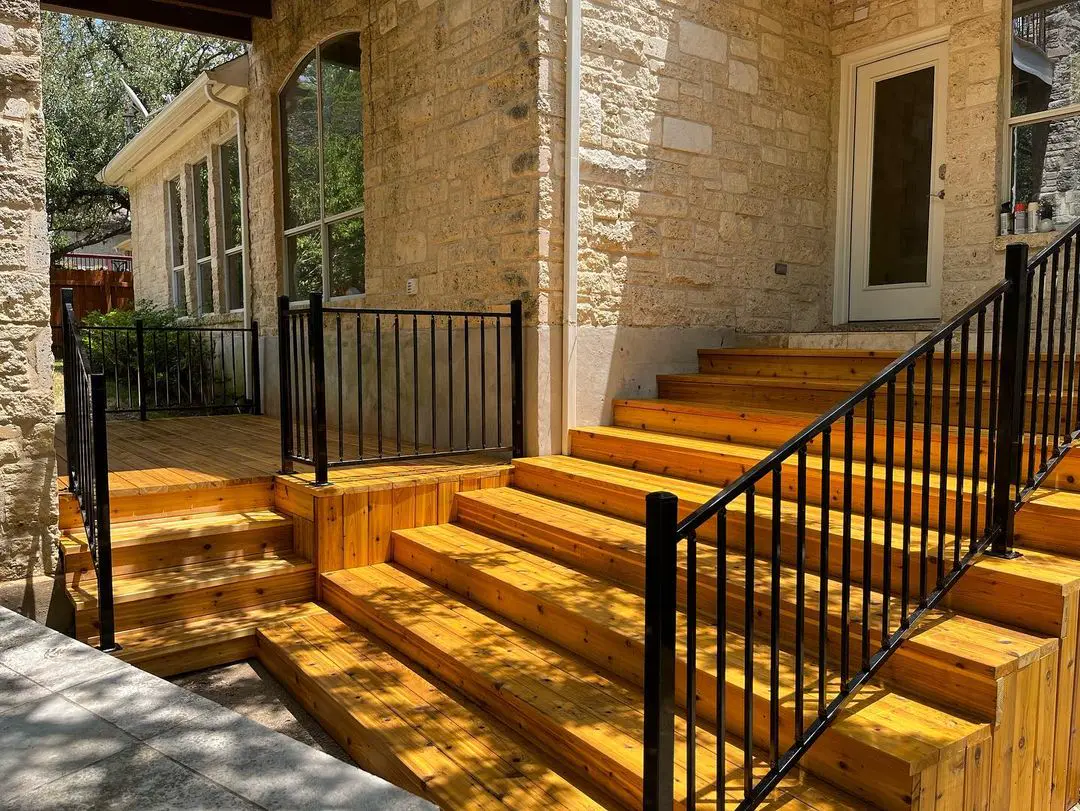
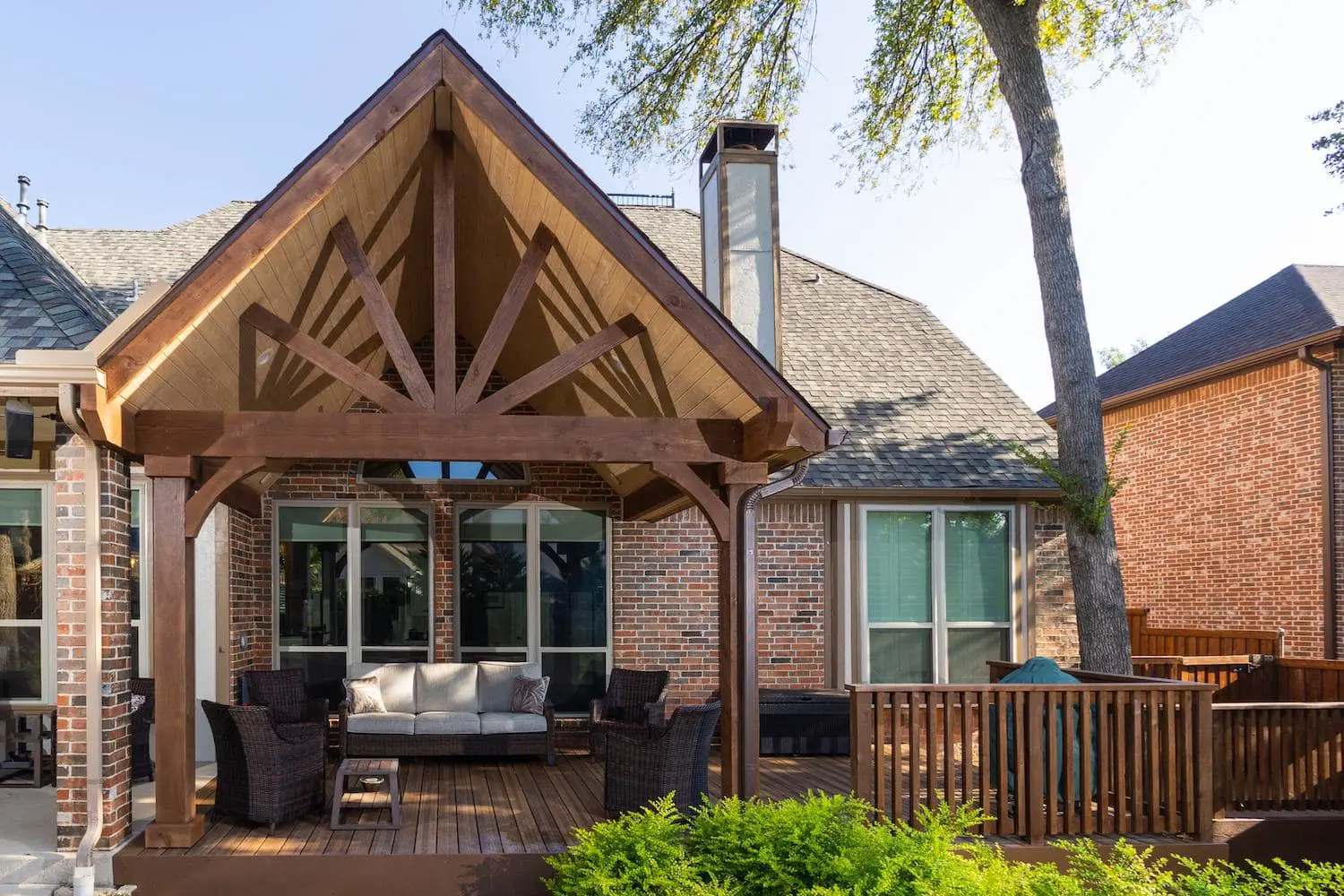
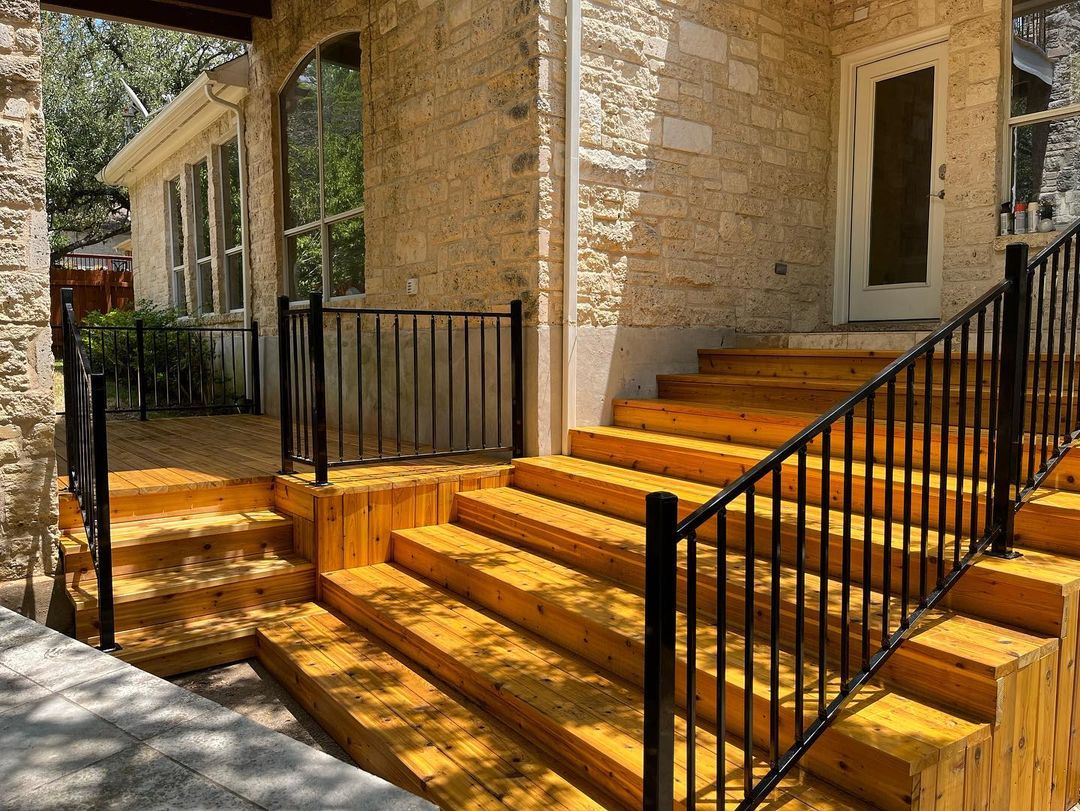
Photographs from jobs this crew actually did - not stock.
Get my free decks quote⚡ Try the calculator1-800-675-1055

“Poke the joists with a screwdriver every spring. Wood lies with paint; it can't lie to a screwdriver.”
- Tighty Whitey Samm Simon · renovation.reviewsWhat does a new deck cost in the GTA?
Pressure-treated builds run roughly $35–$60 per square foot in 2026 - $8,000–$25,000 for most projects. Composite adds material cost but ends staining forever.
Do I need a permit?
Usually yes above 24 inches off grade in most GTA municipalities. A good contractor handles the drawings and application.
How do I check my old deck?
Poke joists with a screwdriver each spring - soft means rot. A railing that moves more than a quarter inch is a fix-now item.
When should I book?
Deck season books out by May - reserve a spring date in winter for the best pricing.
Do you build porches in Toronto, or just decks?
Yes - we build open and covered porches across Toronto, from poured-concrete stoops with brick or stone facing to full roofed porches with pressure-treated framing, cedar railings, and asphalt or metal roofing. A stoop rebuild sits at the low end of our exterior pricing; a covered porch runs higher since foundation, framing, railings, and roofing all add up, and every quote is itemized with drawings and permit fees included. Once the permit is in hand, expect two to four weeks on site - city review for a covered porch usually adds a few weeks, which we handle as part of the job. We've rebuilt stoops and added covered entries in Riverdale, Leaside, and Etobicoke.
How much does it cost to build a deck in Laird?
Most decks we build in Laird run about $65–$100 per square foot, so a 10x12 pressure-treated ground-level deck comes in around $8,000, while a larger raised deck with composite boards, stairs, and taller railings climbs toward $25,000. Any deck over 30 inches needs guardrails and a building permit, which we handle - expect a couple of weeks for permitting before work starts. Once the permit's in hand, the build itself is usually a 3–5 day job. Repairs run $1,000–$4,000 depending on whether it's framing or just surface boards, and we'll confirm all this and give you a firm number after a site visit.
Alliston and New Tecumseth deck quotes: what to compare before choosing a builder
Editorial guide from LF Builders, which operates Home Renovation Reviews. This is a checklist for comparing proposals, not a customer review or a ranking of local businesses. Comparing deck quotes in Alliston, Beeton or Tottenham? Give every builder the same p
Editorial guide from LF Builders, which operates Home Renovation Reviews. This is a checklist for comparing proposals, not a customer review or a ranking of local businesses. Comparing deck quotes in Alliston, Beeton or Tottenham? Give every builder the same p…
Live from the renovation.reviews community.
Customer-record counts are not completed-project totals and have no recency filter.